



App Development extends beyond its previous boundaries which required expert programmers to work behind computer screens throughout the day. Nowadays, even small business owners with basic ideas can create applications without any programming expertise. The process of developing an application used to require companies to conduct extensive meetings while spending substantial money for various months of development work. The process needed too much effort which made it difficult for most tested concepts to succeed. Business owners often thought, “This is too complicated for me.” That fear stopped growth.
The barrier gets destroyed through the use of low-code and no-code development platforms. The system enables users to create applications through visual development tools. Users can construct their applications through the process of dragging and dropping components to build their software. The process of building applications resembles puzzle assembly more than complex programming tasks.
The current situation includes a shift which goes beyond its present scope. Digital growth strategies have undergone transformation through this process.
Low-code platforms allow some coding but reduce the amount needed. No-code platforms require users to complete their tasks without writing any code. The two platforms enable users to construct interfaces through their visual building tools which let users drag buttons and forms and images and other elements onto the interface.
These platforms come with:
Because of these features, many teams can focus more on solving problems and less on writing code.
Time matters. If an idea takes too long to build, someone else might launch something similar first. Traditional App Development projects often take months before users even see the first version.
Low-code and no-code tools change that pace.
This quick cycle helps businesses learn faster. Instead of guessing what customers want, they can build, test, and improve step by step.
Hiring a full development team can cost a lot. Small businesses and startups often struggle with that expense. Many ideas stay on paper because of budget limits.
Low-code and no-code platforms reduce costs in several ways:
This makes digital growth possible even for small companies.
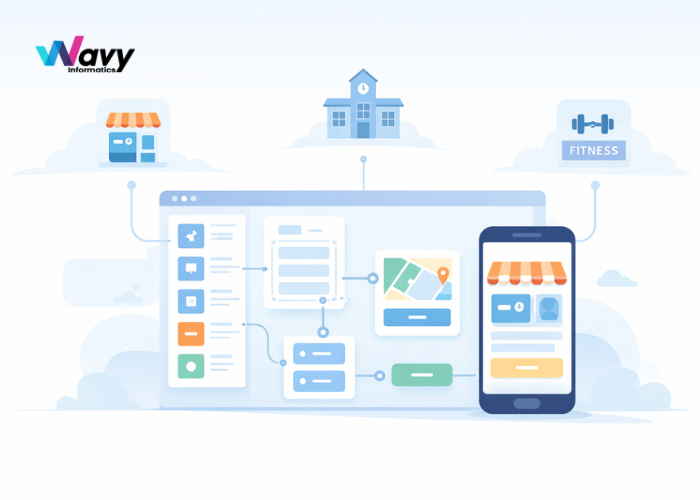
One of the biggest changes is who can build apps.
Earlier, only trained developers could create digital tools. Now, business owners, teachers, store managers, and healthcare workers can build simple systems on their own.
Think about these examples:
These people understand their daily problems better than anyone else. When they get access to easy tools, they can turn ideas into working solutions without waiting for outside help.
Some people think low-code and no-code apps are too basic. That was true years ago, but platforms have improved a lot.
Many platforms allow you to:
As your company grows, your app can grow with it by including more features over time. You are not stuck with a small tool forever.
This is why many companies are using these platforms as part of their long-term digital plans.
Low-code platforms require a small amount of coding, while no-code platforms do not require any coding at all. Both use visual tools like drag-and-drop builders. The main goal is to reduce technical work and make app building easier.
Yes. Small businesses can use these platforms to build booking apps, customer forms, order systems, and more. They help save time and reduce costs compared to traditional development methods.
Most trusted platforms include built-in security features such as data protection and user access control. However, businesses should still follow good security practices and choose reliable service providers.
Yes. Many platforms allow you to add new features, connect payment systems, or improve design as your needs increase. You do not have to rebuild everything from the beginning.
Yes. Developers are important for handling complex features, strong security, and advanced customization. Low-code and no-code tools support their work but do not replace them.
Large companies also use these platforms to build internal tools, test ideas, or launch small projects faster. For bigger systems, they may combine visual platforms with traditional development.
Low-code and no-code tools do not remove the need for skilled developers. Instead, they change how developers work.
Professionals can focus on complex tasks such as security, performance, and custom features. At the same time, basic parts of the project can move faster using visual tools.
This balance helps companies build smarter systems without slowing down.
Digital tools are part of daily life. Customers expect easy apps. Businesses want faster solutions without high costs. Low-code and no-code platforms answer both needs.
The future of App Development will not depend only on long coding hours. It will depend on smart tools, faster testing, and easier updates. Companies that understand this shift will build and launch ideas with more confidence.
Low-code and no-code platforms remove fear from the process. They make app building feel possible instead of overwhelming. That is why they are becoming a strong part of the digital world.
Businesses looking to move in this direction can explore their options with guidance from teams like Wavy Informatics, who understand how modern app building is changing and how to choose the right approach.