
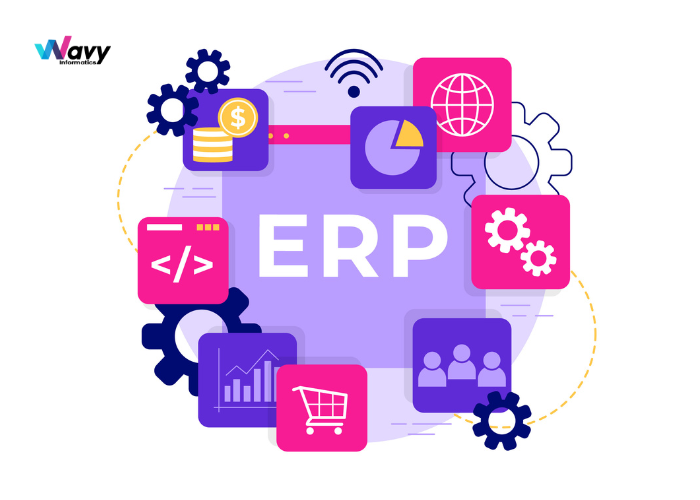


ERP Development Services help businesses bring all their daily tasks into one place. Instead of using many different tools for sales, accounting, stock, and staff records, businesses can use one system that handles everything. When companies think about using an ERP system, they must decide between custom and ready-made options. This choice matters because it affects how work flows every day, how money is spent, and how much time teams need to learn the system.
ERP systems are no longer limited to large organizations. Many small and medium companies also use them. Around 47% of ERP users come from manufacturing, and other industries like services and construction also use them to manage work better. About 62% of companies report that ERP systems help reduce costs, and most users say they improve teamwork and central data access.
This Blog explains both types of ERP systems in a clear way and gives real examples of how companies use them.
Custom ERP systems are built for one business. The software is made after studying how the company works. Developers talk to managers and staff, learn daily tasks, and then build software around those steps. Every screen and button is made for that specific business.
This type of system supports unique work flows that a business might have. Growth is easier because the system can change when work changes.
Ready-made ERP systems are products already built and used by many companies. These systems have features that cover basic business work. Companies buy these systems and then add their own data and rules.
Ready-made systems are quicker to start. But they may not fit every business exactly. Some businesses must change how they work to match the software.
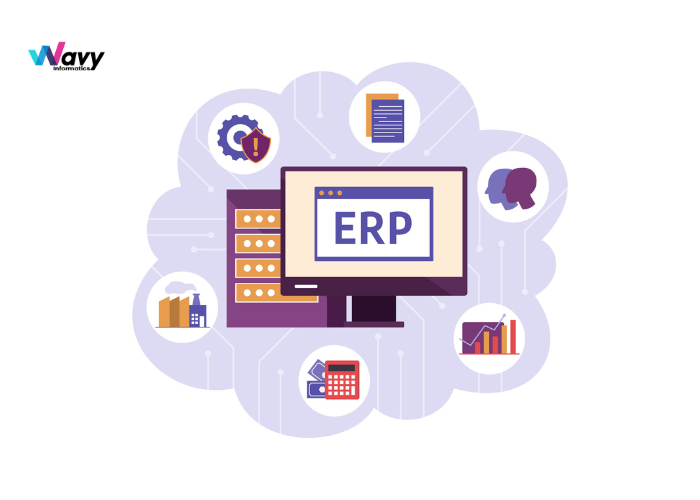
One real example comes from a business called Westerlay Orchids in the United States. This company used QuickBooks and spreadsheets to do accounting and reports, but the system slowed down as the business grew. When they moved to a ready-made ERP system like Microsoft Dynamics 365 Business Central, they could manage their inventory, money, and data in one place. This helped them save time and reduce mistakes caused by manual work.
Another real case involved a small wholesale company, Ambassador Foods. They struggled with data stored in many places and manual calculations. After switching to a ready-made ERP system, the company was able to handle data and business records much more easily, and avoid disruptions like damage from weather events that could cause data loss before.
These examples show that ERP systems — whether custom or ready-made — can improve how work gets done when the system matches the company’s needs.
Custom ERP systems take more time to build. Developers must design, test, and check every feature to make sure it works the way the business wants. This takes patience, but the result fits the business well.
Ready-made ERP systems can be used fast. Many businesses can start using them in weeks instead of months. This quick start helps companies that need a system without a long wait.
According to industry data, about 64% of ERP projects take more than six months to complete when they are custom-built.
Money is always important when choosing an ERP system.
Custom ERP systems usually cost more at the start because the software is built from scratch. But over time, these systems may save money because the business is only paying for exactly what it needs.
Ready-made ERP systems often cost less upfront, but they may have monthly or yearly fees. Over time, these fees can add up, especially if many staff members need access to the system.
Staff members use ERP systems to do daily work. A system that matches their work means less time learning and fewer mistakes.
Custom ERP systems match how people work, so staff members find the system easier to use. Ready-made systems are good for common business work, but some screens or steps may not fit well with a team’s daily flow.
Many companies now use ERP to simplify work. For example:
This data shows why many businesses choose ERP systems to handle everyday work.
ERP Development Services help businesses manage daily activities like accounting, sales, inventory, and employee records in one system. This reduces confusion and keeps all important data in one place.
Custom ERP systems are built based on how a business operates. The software follows the company’s workflow, making it easier for teams to use the system without changing their daily work habits.
A ready-made ERP system is pre-built software designed for common business needs. It can be set up quickly and is often used by companies with simple or standard processes.
Growing businesses often choose custom ERP systems because they can be updated as needs change. Ready-made systems may work at the start, but can become limiting over time.
They help by organizing data, reducing manual tasks, and improving coordination between teams. This allows businesses to manage operations more smoothly and avoid errors.
Choosing between custom and ready-made ERP comes down to how a business works and what it needs now and in the future.
If a business has special work steps or plans to grow quickly, a custom ERP system may be better. If a business works in common ways and needs a system fast, a ready-made ERP system may be the right choice.
Here are actions businesses can take when choosing:
Learn from how other companies use their ERP systems
ERP systems are powerful tools for managing work across many teams. Both custom and ready-made systems can improve how work is done, but they must match business needs. Real examples like Westerlay Orchids and Ambassador Foods show how ERP systems make a difference in real work settings. Research data also shows that many companies see cost savings, better productivity, and clearer data when they use ERP systems. Choosing the right ERP Development Services helps make the system work for the business, not the other way around. Wavy Informatics can help businesses understand their work needs and select or build the right ERP solution that fits their daily operations and future plans.