



AI is changing how people buy and sell online. Online stores and marketplaces are no longer just about listing products and taking orders. AI helps these platforms understand users, manage daily tasks, and support buyers and sellers in a better way. Whether it is a B2C marketplace, a B2B platform, a C2C model, or a multi-vendor store, AI is now playing a key role in how eCommerce platforms grow and function.
Reports show that the global AI market in eCommerce is growing at a very fast pace. The market is expected to reach a value of $64.03 billion by 2034, with strong growth every year. This steady growth clearly shows that more eCommerce businesses are planning to add AI-driven features to their platforms to meet user needs and manage operations smoothly.
Many large eCommerce platforms have already started using AI in different ways. Marketplaces like Amazon, eBay, Walmart, and Alibaba use AI to manage products, pricing, customer support, and user activity. Their success shows how useful AI features can be when they are added with the right planning.
If you are a business owner or planning to build an eCommerce marketplace, understanding AI features is very important. This article explains the key AI-driven features that every eCommerce marketplace should plan to include in 2026, using clear and easy language that anyone can understand.
AI in an eCommerce marketplace means using smart systems that learn from user actions. These systems study what users search, click, buy, or skip. Based on this data, the marketplace can guide users better.
AI helps buyers find products faster, helps sellers manage listings, and helps store owners track orders and users. It also reduces manual work and saves time. This makes the marketplace smoother for everyone involved.
Adding AI-driven features is no longer optional for online marketplaces. These features help manage daily tasks and improve the user journey. Below are the key features explained in a simple way.
Personalized product suggestions help users see products that match their interest. AI studies what a user searches for, what pages they visit, and what they bought earlier. Based on this information, the system shows products that the user may want to buy next.
How this feature supports the marketplace:

Chat support helps users get answers to common questions such as order tracking, return rules, or product details. AI-based chat support works all day and night without stopping.
How chat support helps:

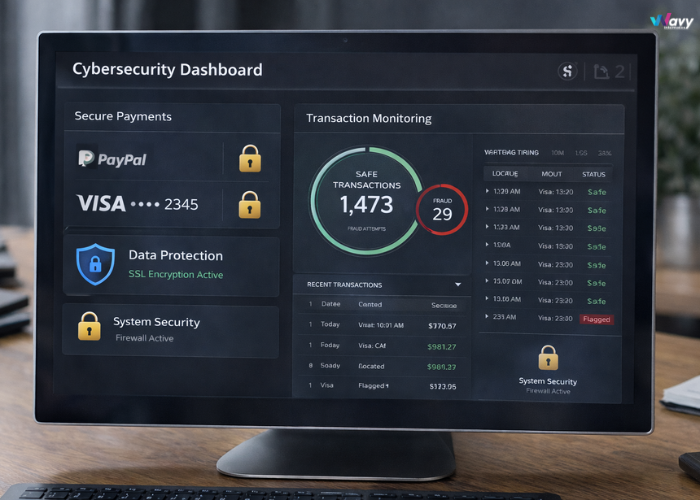
Online marketplaces face risks such as fake orders and unsafe payments. AI checks user behavior and transaction patterns to find unusual activity.
What this feature does:
Voice-based shopping allows users to search for products and place orders by speaking instead of typing. This is useful for users who want faster interaction.
How voice support helps users:

Some products are purchased again and again, such as daily-use items. AI allows users to set repeat orders so these products are ordered on a fixed schedule.
This feature helps by:
Virtual product preview allows users to see how a product may look before buying it. This is useful for clothing, furniture, and home items.
Why this feature matters:

Image-based search allows users to upload a photo and find similar products. AI studies the image and shows matching items.
How this feature helps:
AI can update product prices based on demand and stock levels. Prices change automatically without manual effort.
This feature helps by:
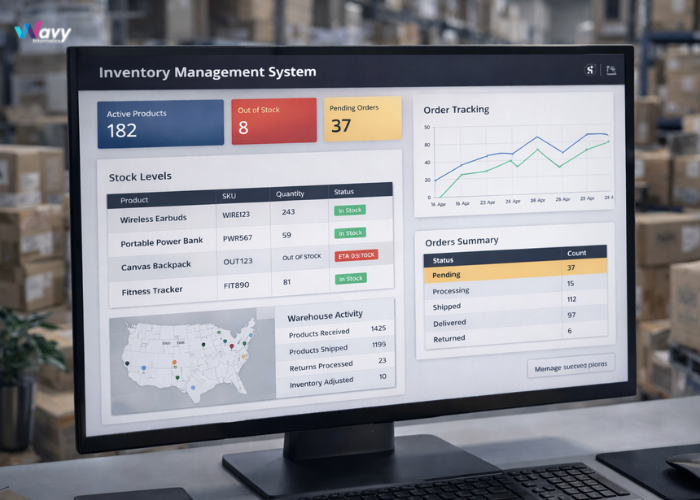
AI studies past sales data to predict future demand. This helps manage stock and delivery planning.
What this feature supports:
AI studies user data to help plan marketing activities. Messages and offers are shared with the right users.
How this helps marketplaces:

No, they can be added step by step with proper planning and skilled support.
Yes, even small platforms benefit from better product search and support tools.
Yes, with the right setup and development support.
No, it helps platforms of all sizes manage users and products better.
Experienced development teams with Shopify knowledge can help.
For Shopify-based marketplaces, AI features can be added using custom development or third-party tools. Many businesses choose to hire Shopify developers to ensure AI integrations work smoothly with product pages, carts, and order systems.
As your marketplace grows, working with experienced Shopify developers helps you implement AI features without disrupting store performance.
AI-driven features help online marketplaces manage growth, users, and sellers with less effort. These features support daily tasks and make shopping easier for everyone. If you plan to grow your Shopify marketplace, it is important to Hire Shopify Developers who understand both store structure and AI feature setup.
Working with an experienced development team like Wavy Informatics at the end of your planning process can help you add these features with care and keep your marketplace ready for 2026.